Setting a New Standard for Secure Vehicle Logistics
We are seeing that the criminals that are targeting the space, they're becoming increasingly sophisticated and organized in the crimes they're attempting to commit. And when they do succeed in stealing a vehicle and transport, of course, it is very impactful on all of those who are involved.
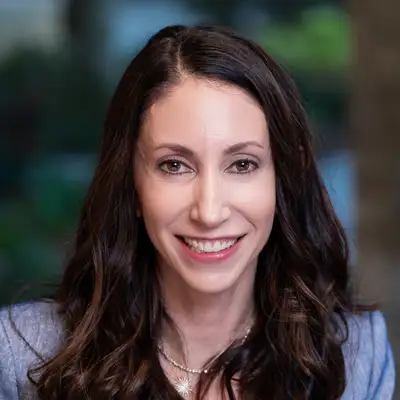
Erin Keating:Hello, everybody, and welcome back to the Auto Market Brief. I'm Erin Keating, your host and industry executive analyst here at Cox Automotive. Today, we're looking at vehicle logistics. We touched a little bit on this topic in an episode while we were discussing commercial fleet and what we do here with Fleet Services when we had Alex and Zo join us. But logistics is like one of these parts of the industries, you know, most people do not think about, you know, until something goes wrong.
Erin Keating:And we certainly haven't really gotten to dive deep into it. But I'm really excited for this conversation because increasingly, things can go wrong. We're seeing more than just delays in damaged vehicles. We're seeing fraud and theft really become more sophisticated and a bigger problem in the industry. So, I'm so excited to really talk to our two experts here today to bring a perspective on this and just talk through how the industry is working to address the security gaps across the handoff chain and moving and logistically managing our fleet out there today.
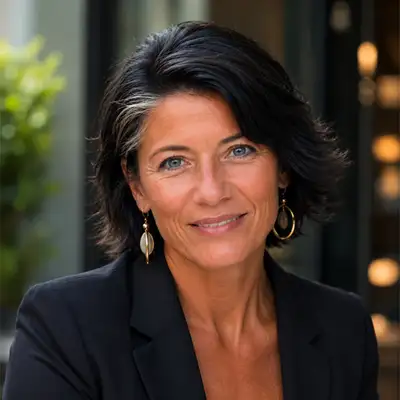
Erin Keating:So we've got two dynamic guests today. First, we have Lainey Sibble here at Cox Automotive. She is the AVP of Central Dispatch. Lainey, she's also a rising star from two years ago at Automotive News. Love to see you here again today.
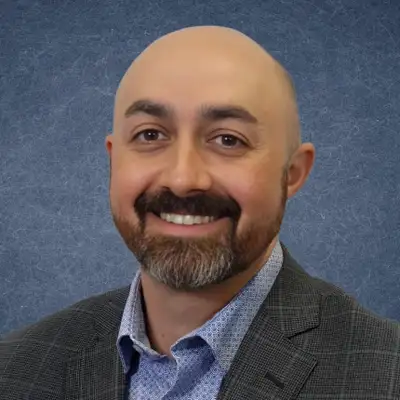
Erin Keating:So welcome. And second, and gosh, help me if I I screw this up, we have Jeremy Louisos.
Jeremy Louisos:Nailed it.
Erin Keating:Oh, I got it right. Okay. He's an external industry operator, an expert with firsthand experience in vehicle transportation and fraud. So we're so excited to have both of you. Welcome, Lainey and Jeremy.
Lainey Sibble:Thanks for having us.
Jeremy Louisos:Appreciate it.
Erin Keating:Yeah. Absolutely. Before we get into this though, could you guys give us a quick version of who you are, what you do, and your vantage point on this part of the industry? Lainey, let's just start with you first.
Lainey Sibble:Sure. Yeah. Glad to be here and talking about this very important topic. So I head up the central dispatch marketplace business here at Cox Automotive. It is the largest auto transport marketplace that connects shippers who have a vehicle to move, whether it's a dealer, a commercial client, a broker, to the demand side with carriers who can execute that move.
Lainey Sibble:Been with Cox about fourteen years and had the opportunity to work across a lot of different areas, operations, finance, strategies, sort of seen the full gamut and really excited about everything that we're doing in the automotive logistics space here at Central Dispatch.
Erin Keating:Great. Awesome. Looking forward to hearing your perspective on this. Jeremy, yes, you.
Jeremy Louisos:I appreciate the opportunity as well and very much appreciate the focus put on this. This has been a really hot topic for our industry. I mean, always. We always wanna be safe, but in the past few years, it seems like there's been a notable uptick. Lainey and I have had the opportunity to share multiple stages and other media spots, and so really appreciate the platform to to share this with your listeners and your audience.
Jeremy Louisos:I'm the senior vice president, cofounder of Pre Owned Auto Logistics or Pal. I've been in this role for, jeez, nearly twenty five years now somehow. And really, I'm I'm someone that's quite passionate about shipping cars strangely. It's not what I thought I was gonna do when I was a a kid, but I've spent a lifetime in this industry, and it it really matters quite a bit to me to see it be healthy and go well, and make sure that the best players are the ones that are performing services. I don't wanna be defined by the worst of our industry.
Jeremy Louisos:So cleaning this up is of utmost importance to me and and other top providers. I'm excited to be here and excited to to break it all down.
Erin Keating:Yeah. That's great. Awesome. Well, it is is truly very, very important, especially as we've moved into this phase of the car shopping industry where people are really online and they're buying cars from wherever they can get their hands on them. And so, logistics are more important than ever.
Erin Keating:So, let's just set the baseline. Let's talk about how big is the problem. Lainey, you know, set that table for us. When we talk about fraud and theft in the vehicle transportation, what exactly are we talking about? How big is the problem?
Erin Keating:How has it changed?
Lainey Sibble:Yeah. So, you know, I think you you said it, Erin. Moving vehicles is really the backbone of the entire industry. We have to be able to get those vehicles from one place to another. And as things have become more and more digital and cars are being bought and sold sight unseen, you know, not necessarily being there, logistics becomes that much more important.
Lainey Sibble:So there are a whole lot of vehicles that are moved every single year. On Central Dispatch, we have over 20,000,000 vehicles that are listed every year. So really, really big space. You know, logistics... I'm sorry.
Lainey Sibble:Fraud, I guess, I should say, in the logistics space, you know, it it still makes up a small percentage of all those cars that are being moved. So, you know, the 20,000,000 on central dispatch, the 60,000,000 or so across the whole industry, you know, it's it's a small percentage. However, it has been increasing, and it is an industry wide challenge. It affects the automotive part of logistics, and it affects the broader freight space as well. And it's just something that's been increasing year over year.
Lainey Sibble:Yeah. We are seeing that the criminals that are targeting the space, they're becoming increasingly sophisticated and organized in the crimes they're attempting to commit. And when they do succeed in stealing a vehicle and transport, of course, it is very impactful on all of those who are involved, whether it's the vehicle owner, potentially a a good transporter who's kinda caught up in the middle of of a scheme and a bad actor really utilizing them as a pawn. Sure. And even the location that releases that vehicle who may be pulled into the whole thing.
Lainey Sibble:So so like I said, you know, growing still a small percentage, but very impactful when it occurs.
Erin Keating:Mean, Jeremy, this is your side of the house. Right? So make this real for us. You know? Can you give us an example of what this looks like in in...
Erin Keating:You know, for a carrier such as yourself?
Jeremy Louisos:Yeah. Yeah. As a broker. So one of one of the things that we will see, and I guess maybe this is sort of the anatomy of the scheme and there's different flavors of this, but I'll kind of put us through the general paces. So like Lainey said, this is a sophisticated bad actor.
Jeremy Louisos:I mean, we're dealing with what appears to be organized crime often overseas, right? These are folks that are career criminals that are working really hard to take these vehicles. So first thing they're doing is they're identifying these vehicles. What are they looking to target? They're mostly targeting high value vehicles.
Jeremy Louisos:That's where we put a lot of our effort. Once they've identified that vehicle, they're trying to figure out a way to get it, and so to do that, like Lainey suggested, they're sending in an unassuming carrier. They're rarely going to be showing up themselves saying, hey, we're the bad guy, we're stealing the vehicle. They're going to pose or try to get information to make it seem as legitimate as possible to go into a dealership, a storage yard, a point of origin, an auction, and grab this vehicle. And once they do, they're gonna direct that to a point of their choosing, and if that all works successfully, they're gonna put it in a shipping container and send it overseas presumably.
Jeremy Louisos:So they do that in many ways, right? They're scouring the internet for information on vehicles that move. I mean, I was at NADA with Lainey, we had a presentation, but at that show, I had someone come up to me and say, hey. I have this service, a legitimate, you know, service, say that we are scraping the Internet for dealership activity. When we see a vehicle goes out of one dealership's inventory and into another, we know that a trade's happening.
Jeremy Louisos:Do Do you want that information to help target your shipping efforts? And I'm thinking, I don't even know what you just... What you want right now, but this is definitely what the bad guys are doing, and if you're doing it, then we got something on our hands. And so it's, they have the information, it's available, and they're gonna use it to the best of their ability. Once they have all that information, they go to the point of pickup, just gonna kinda run through a little more detail, they might, if they know where the vehicle's going, it just seems more credible.
Jeremy Louisos:If they have the VIN, it all seems much more credible when they go in. If they're able to figure out who the transportation partner is, right? Who the person shipping the vehicle is. I mean, with AI, you can falsify documentation. You can really make it seem real, pass that information as a release to an unassuming carrier, say, Hey, go get this for us.
Jeremy Louisos:And then that vehicle is gone. So one thing that I'll probably be stressing throughout this entire conversation is the importance of making that good marriage the point of pickup. Verifying the carrier is the number one thing we can do, but there's a lot to this.
Erin Keating:Sure. Yeah. It's crazy. You know, it's really sad that we've come to a place where there are criminal enterprises. They have receptionists.
Erin Keating:They have offices. You know? They're really... People need to understand the the gravity of who we're actually up against. I mean, Lainey, what are you seeing as some of the gaps between the players and the systems?
Erin Keating:You know? And why is pickup especially vulnerable?
Lainey Sibble:Yeah. So I'll I'll kind of focus in on that that pickup point and why I think that's one of the places that these criminals are are targeting. For one thing, it is, of course, the place where that physical asset, that expensive vehicle is changing hands and where they can get their hands on it. But, you know, maybe even more importantly, it's the fact that oftentimes the vehicle owner or the shipper is not there. They're hundreds of miles away, and they have hired a carrier or transporter to go and pick up that vehicle, and they're relying on that releasing location to ensure that they are handing off the vehicle to the right person or the right company.
Lainey Sibble:Sure. So I think that... That's really one of the reasons that that particular point in the process has been targeted. And in addition, I would say that a lot of the parts or the, you know, components of vehicle transportation have become more and more digital and have a lot of safeguards in place, but that vehicle release has remained largely manual and somewhat disjointed. So different locations have different processes.
Lainey Sibble:Different shippers have different processes. And so it is an easier place for the bad actors to target. And that's why it is an area where we have made an effort to focus on creating a new standard, a new technology solution, a new behavior, expectation and processes to add a lot more security to that vehicle release.
Erin Keating:Jeremy, do you... You know, I see you head nodding. I know our audience can't see our visual, but I see you head nodding quite a bit. So what are you thinking? You know, what...
Erin Keating:You look like you're chomping at the bit to jump in, so please do. You know, what is what is every shipper, carrier, pickup location? Like, what do they need to understand about this, and how would you react to to what Lainey is saying?
Jeremy Louisos:Yeah. I mean, a lot of this is music to my ears. So it is all too easy to just walk in and say, I'm here to get this v... I'm here to pick up this vehicle. Have you been to a dealership?
Jeremy Louisos:And there's a lot of good dealerships that are... And I've I've actually seen a lot of dealerships that weren't so good, get a lot better, but there are folks that maybe aren't so concerned with things other than selling the vehicle. They're like, oh, you're here to get this, let me just move you on your way, here's the keys, and you're off to the races. You don't know who you just pass the keys to, And now with all these other ways of sort of like posing as somebody else, I mean, there really isn't a standardization. It's so fragmented, everyone has their own system.
Jeremy Louisos:We have some folks who work with where they're making copies of the driver's license. I think that's a really wonderful thought, but they're just kind of making a copy and putting it into a file, and like if maybe if something happens, they're gonna look at it and say, this was the person that was here, but that's not even really the person that committed the crime. It's so important. Our approach has been the three Versus at PAL, right? So it's gonna be vetting, verification, and vigilance.
Jeremy Louisos:First, as a broker, we wanna make sure that we are credentialing and only working with the best carriers in the business, that's our job. Verification is what we ask those pickup locations to be doing for us. Make sure that you are following a process where you are only gonna be handing this vehicle to the person that we specified. At Powell personally, we, for high value vehicles, we'll send an image of the driver's license, we will send an image of the equipment, and we'll make contact with some of the point of origin, ensuring they will follow this process. If if that's missed, I mean, all all bets are off, and and finally, the third v being vigilance.
Jeremy Louisos:If something feels wrong, it likely is wrong. So for me, for... To hear that Lainey's so focused on getting that match right and to maybe work on a a behavior or some standardization to, okay, someone's here to pick up a vehicle. I need to do this thing. That's a great step in the right direction.
Lainey Sibble:Yeah. I've I've heard... Jeremy, I've heard you talk about those three Versus several times before, and I love them. They really stick. And, you know, I would say as as central dispatch, we're really focusing on providing tools across all of those components.
Lainey Sibble:So whether it's for verification, for example, you know, we do our own verification, but we also want to help our customers do their verification as well. So we have things like scorecards that are gonna surface really critical information about who another company is, what is their performance like, what are their credentials to help customers like you all at Powell decide is this the right partner for this particular move? And there's a lot more there. And then on, you know, on the verification piece, we've done a lot of different things there. But I guess from a vehicle pickup point, since we've been talking a lot about that, we're really excited about the new solution that we are bringing to market right now in that space called Secure Vehicle Transfer.
Lainey Sibble:It is a technology solution, but it's really a new standard for how vehicles should be released. So it is a technology that's that's very secure where the shipper or the vehicle owner remains in control of who has that release. It can't be forwarded or copied or sent to someone else. It's also revocable. So if, let's say, Jeremy, you realize, you know what?
Lainey Sibble:I I hired this carrier to go move this car, but, you know, I have that vigilance and something seems a little bit off and I don't want that carrier to have that authority anymore, I can revoke it. So, you know, you remain in control even if you are hundreds of miles away. And it is assigned to a single vehicle, a single pickup location, and a single carrier who is authorized to pick up that vehicle so that when that when that driver arrives, they're able to show the pickup location, I am authorized to pick up this vehicle. And one of the things that we recognize is the importance of having great technology that is also as frictionless and easy to use as possible. And so that's been a huge focus for us of we want this to be something that they can do in less than ninety seconds and be integrated into existing workflows, not something new that you have to add on top of all the other processes that you're going through when you're buying and selling cars or moving cars.
Erin Keating:And that's the issue, right? Because like adoption, you know, we can plan all the technology we want, but if it's... If we're not making it as smooth as we can and you have humans in the in the loop, right, you know, it can it can feel like this is just one more step. So I'm curious, you know, Jeremy, from your perspective, you know, technology is going to be part of the play, right? What Lainey is talking about, these are really great innovations that are coming to the market to really help this.
Erin Keating:How do you compare this to other processes that you have to work with in the industry? How do you help people adapt that additional, you know, step in the technology to help protect the entire transaction?
Jeremy Louisos:Well, the first bit is kind of this sort of stuff, is raising awareness, and I feel like that's kind of been the campaign. Let's make sure that we all agree that this is like a challenge that we have to come together on. And I feel a lot of unity there in the transportation space. If maybe there's not a whole ton that every player in the space can agree on, but we all agree that this is a problem for everybody and sort of unifying our effort makes a lot of sense to me. As far as adopting that technology, I mean, it is a lot to ask for someone to maybe download an app and to add some time to the pickup procedure process, but I would just go back to where we started here.
Jeremy Louisos:What does it mean if you don't do that? How much time are you adding that process if that vehicle is gone? I mean, we talked about the impact that that particular customer may have, or that particular carrier may have, but all of this erodes so much trust in the entire ecosystem. If so much of what we're doing is digital and shipping is the thing that actually moves the metal in the background, if people don't trust that process, everything else breaks down. So we need some solution to come together.
Jeremy Louisos:And it feels like working with folks like Lainey and other big players, I mean, we have that 20,000,000 vehicles. We're not doing all those. We're doing a little slice of them. But the folks that are coming together in this conversation, if we're all sort of in this together, suggesting this, putting it forward, even if they're not dealing with my customers, they're making everybody better, and if some of these big players are adopting this technology, I suspect folks will follow. Yeah, I wanna get on that app, because I don't want that vehicle stolen, and love to hear the focus on the frictionless piece, because we know that it's gotta be as simple as possible, and I'll kinda circle back too to that standardization of a practice.
Jeremy Louisos:When someone arrives here, I do this thing. Lainey's team can get that in motion where everyone knows, all right, I'm pulling out the app and I'm scanning the thing or I'm checking the box, whatever it is, I think that's a great behavior to encourage, to protect us all.
Erin Keating:Lainey, I mean, to that end, working from the technology side, yeah, like, how do you... What needs to happen to have that really become the standard operating procedure? And how would you... How are you all working on that in central dispatch?
Lainey Sibble:Yeah. So, you know, we are really leveraging the fact that we have deep reach across the automotive ecosystem here at Cox Automotive because it... We do need to have that far reaching impact to be able to drive the kind of behavior change that we're talking about. Yes. It's quick.
Lainey Sibble:Yes. It's seamless. Yes. It's as integrated into existing workflows as it can be, but we all know that it's human nature to want to continue to do things the way they were done in the past. But that's not that's not what we need to do here as as Jeremy has well explained.
Lainey Sibble:So we have Manheim, obviously, which is often a a vehicle pickup location. So you think about the influence we have there on utilizing a process and a technology like this when releasing vehicles. All of the customers on central dispatch, whether they're brokers like Jeremy or dealers or the carriers who are transporting the vehicles, we have that reach as well. And then, you know, Jeremy brought up the the fact that we're asking a carrier to open up an app and show something to be able to remove that vehicle. And before maybe they could just show up and, I don't know, maybe maybe mention the VIN, maybe even go more basic than that.
Lainey Sibble:And so we've... We have put this credential into our existing mobile inspection app that carriers already use when they're picking up and dropping off a vehicle. So it's right there in in the same place. So we're really focused on finding the ways to utilize our reach, the existing tools that the industry is already using today, and integrating with those to to drive that change in behavior and that adoption.
Jeremy Louisos:I guess I'll... I will say that this doesn't feel like just talk to me. I mean, you've been very consistent about this, and another hat that I wear at, ARA co chair of the Industry Advancement Committee, and I have seen when Manheim, for example, adopts a practice, that that rolls through the industry as new standard. So we need someone to go first. I love to see this action.
Jeremy Louisos:Have high hopes.
Erin Keating:Well, that's, I mean, that's awesome, and it's true. I mean, this is one of the advantages of Cox Automotive, for sure, is our sheer scale and the ability to reach into the ecosystem. So I'll try to bring us to a close here, and I and I have sort of a forward looking question for both of you. So I'd love to hear from you. You know, if we have this conversation again in two or three years, what do you hope's changed?
Erin Keating:Jeremy, maybe I'll start with you.
Jeremy Louisos:We're saying, what do you mean fraud? That's like... Are you talking about something that... Talking about 2026? That's that's an old that's an old story.
Jeremy Louisos:I just pull my app out, and I scan the thing, and it's safe as can be. And and, and we're we're good. This is easy now.
Lainey Sibble:Yeah. I mean, I think that is our number one goal. These these bad actors, they're smart. They're sophisticated. I hope they're directing all of that attention and their efforts to something else in a good cause rather than than this, and we don't...
Lainey Sibble:We don't... We're not seeing the same fraud. But, you know, maybe more importantly, I really hope that we have established a new standard when it comes to security and and automotive logistics. And it's not a, oh my gosh. We need to do things differently.
Lainey Sibble:And how are we gonna how are we gonna utilize all these tools and follow all these best practices? But that is that is what everyone is embracing consistently because there is that recognition that, of course, we need to be able to move vehicles, and we're lucky that there are these great tools out there that we can utilize to do so.
Erin Keating:That's awesome. Yes. I think that, you know, hearing from both of you, you know, again, we are often talking about sales and inventory. And and every once in a while, we get to dig into fleet and logistics. And this is truly, at least for me as the consumer who might have a vehicle being moved, relatively shortly, I will say.
Erin Keating:It makes me feel better to have folks like you guys working on this issue. But what I'm taking away from this whole episode, if I can borrow it now from you, Jeremy, the three Versus, right? Vetting, verification, vigilance, I hope I got that right. I think that's... Yeah.
Erin Keating:Really, I'm getting the thumbs up. Really important. So thank you all for joining me today. I really always love when we get to talk about the whole universe of what we deal with here at Cox Automotive, but also just really making sure that everyone remembers just how lively and interesting and big and comprehensive and complex this industry is. It's why we all stay in it, right?
Erin Keating:Because there's just every day around the corner, there's something new to solve. So really appreciate both of you being here with us today. Thank you, Jeremy. Thank you, Lainey.
Jeremy Louisos:My pleasure.
Lainey Sibble:Thank you, Erin.
Erin Keating:Well, thanks all to you for listening and tuning in to The Auto Market Brief as well. Be sure to like, subscribe, and share the show with your friends and colleagues. As always, remember to check out all of our insights and updates at coxautoinc.com. And stay tuned to the Auto Market Brief for the high notes in our economy, the headlines that matter across the industry, and more conversations like this that help make sense of what's happening in the market. Take care.
Erin Keating:Thanks for joining us on this episode of The Auto Market Brief. To stay up to date with all the latest news and perspectives from our team of experts, be sure to visit our insights hub at coxautoinc.com.
Creators and Guests